Coffee
Cut off is 10am for next Day Dispatch Mon-FRI
Mexico - Washed - Filter Roast Coffee
Plum, Milk Chocolate, Caramel
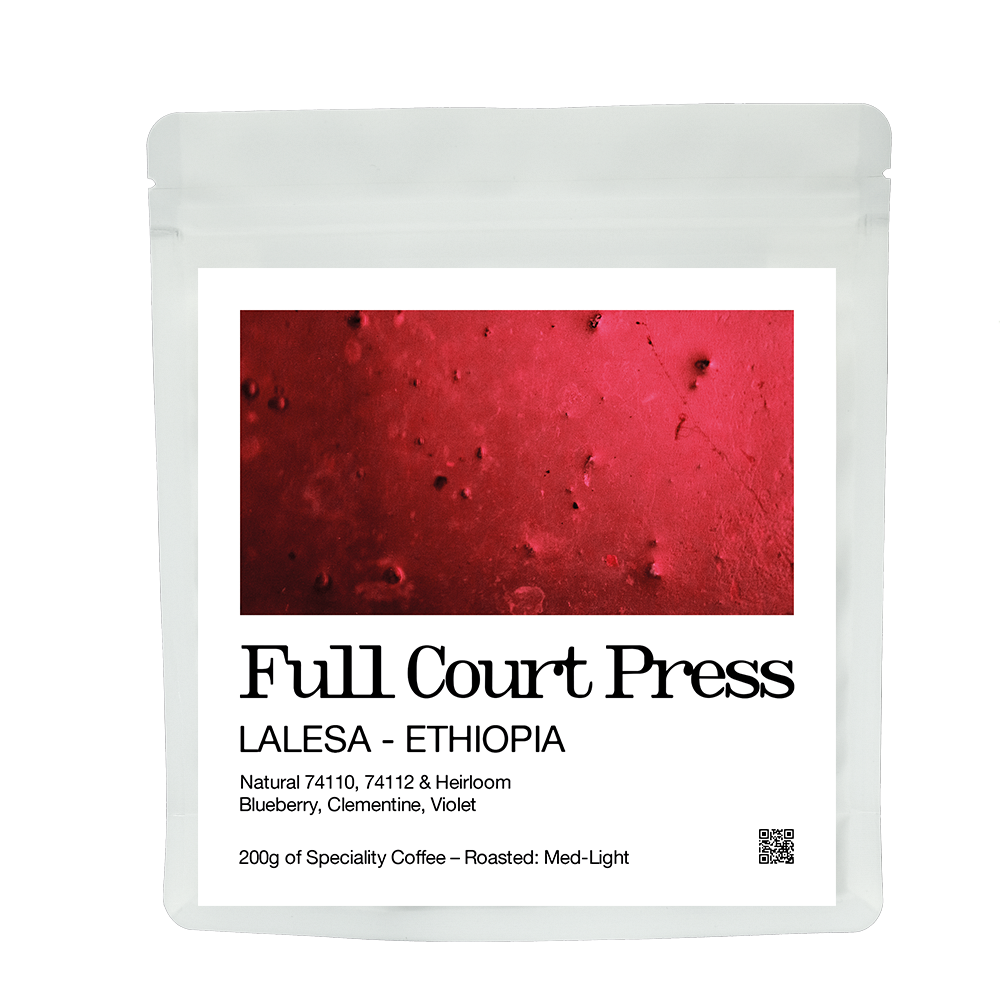
Ethiopia - Washed - Filter Roast Coffee
Nectarine, Honey, Jasmine Tea
Peru - Washed - Filter Roast Coffee
Blackberry Jam, Golden Syrup, Black Tea
Ecuador - Honey - Filter Roast Coffee
Pear, Wine Gums, Green Tea
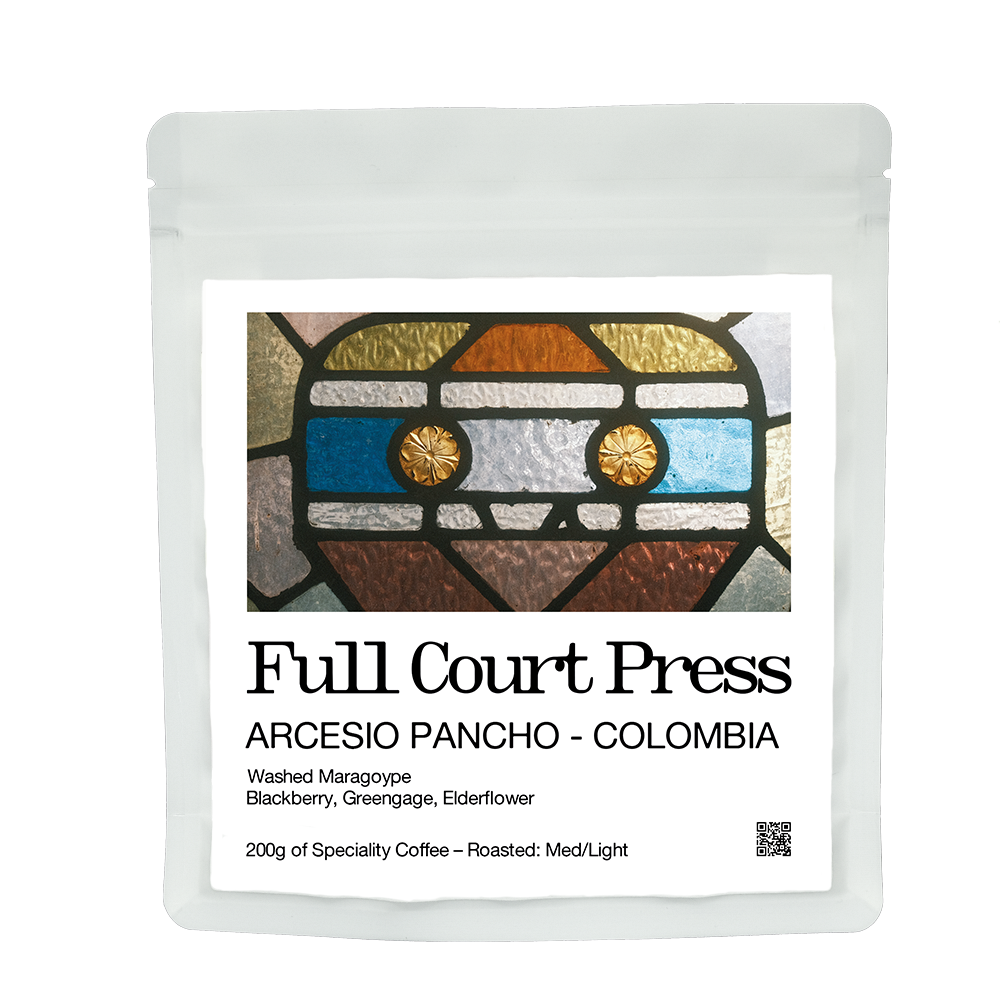
Colombia - Washed - Filter Roast Coffee
Green Apple, Yellow Plum, Sencha Tea
Colombia - Sugarcane Decaf - Omni-Roast Coffee
Mandarin, Black Grape, Shortbread
Papua New Guinea - Washed - Omni Roast Coffee
Persimmon, Cocoa, Sweet Tobacco
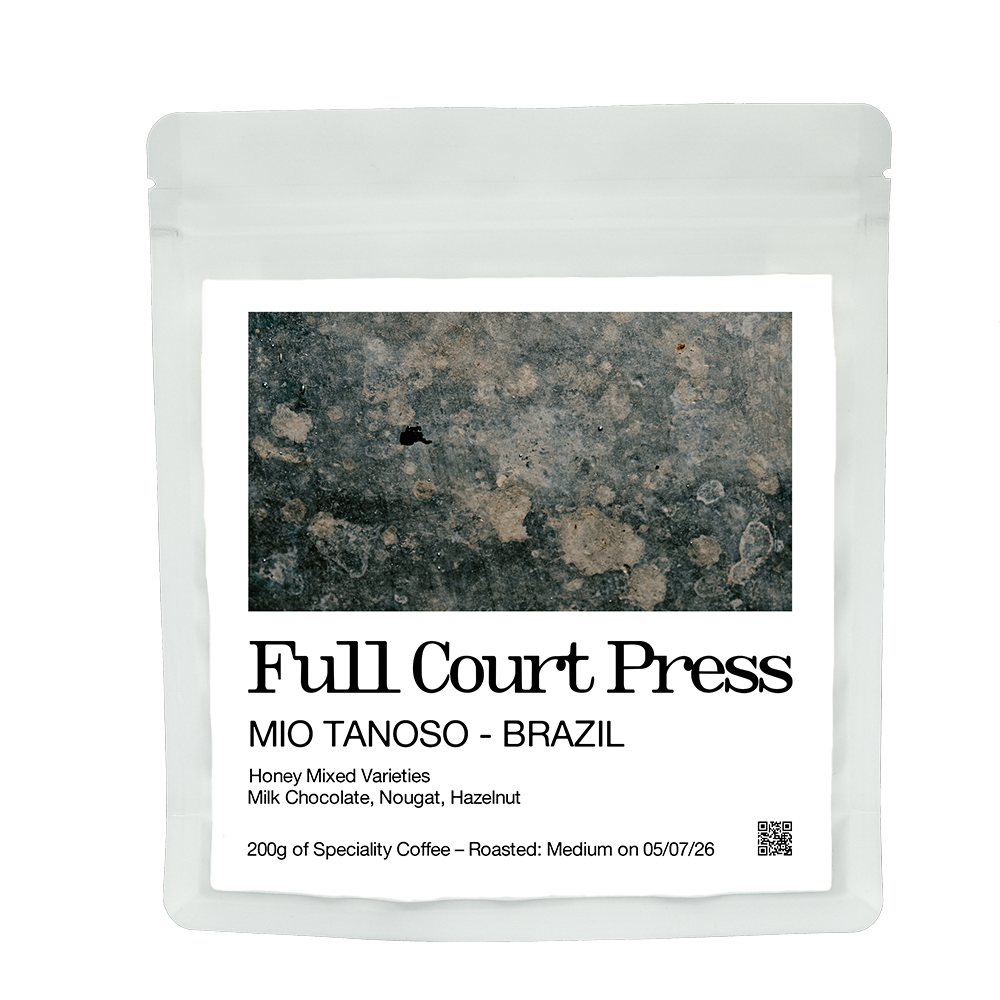
Brazil - Natural - Omni Roast Coffee
Dark Chocolate, Date, Walnut
TOP SHELF COFFEE
El FENIX GESHA
Colombia - Anoxic Washed - Filter Roast Coffee - 200g
Pink Grapefruit, Honey, Rose Water, Jasmine
El Fénix farm is located in the eastern municipality of Quindío, Colombia in Calarcá. It faces west toward the Cauca Valley and the central mountain range. The farm has ideal climate conditions with a strong sun reflection off the valley and an average rainfall of 2,275mm a year, in addition to natural spring falls which provide water for the farm’s needs.
Once cherries are received, they are hand-picked and floated to ensure only those of the best quality continue to the processing stage. These cherries are placed into a deep cleaned fermentation tank. A sheet is then placed over the cherries, which is then submerged with cool water. The seal created by the water pressing onto the sheeting creates a vacuum effect on the coffee below, creating an anoxic environment for fermentation to begin, which lasts for 48 hours.
The water and sheet act as not only a sealant, but a heat exchange, allowing the heat build up to transfer to the water, which evaporates away. A stabilised temperature of around 25 degrees Celsius ensures that the cherry doesn’t over ferment. This temperature is regularly monitored, and if it falls too low for fermentation to continue, hot water is added to the water pillow, to provide warmth to the fermenting coffee underneath.
Once the fermentation is complete, the water is drained, and the sheet is removed. The now fermented coffee is rinsed and drained of all residual liquid. For the washing process to continue, the cherries are pulped, and the exposed beans are washed and graded.
The coffee is then sun dried for between 4 and 8 hours daily, and dried on raised beds for between 2 to 3 weeks.
Importer: Raw Material
Harvest: 2022
Per-Kilogram green price: £21.41
Amount purchased: 48kg
Bani Al Areef
Yemen - Carbonic Maceration - Filter Roast Coffee - 200g
Black Cherry, Watermelon, Date, Vanilla
Producer Info:
More than twenty thousand coffee trees planted in the village of Beni Al-Areef, west of Haraz, It is owned by twenty farmers who cultivate coffee as a main source of income for the village which is about 16 km from the center of Manakhah District. Coffee is cultivated on the agricultural terraces that reach an altitude of 1700 M above sea level. The exact history of coffee cultivation in the village of Beni Al-Areef is unknown, but the cultivation of coffee in Haraz was known about 400 years ago, as farmers still inherit its cultivation and harvesting it in the same traditional way, while no modern machines for cultivation, irrigation or harvesting have reached the village of Beni Al-Areef.
Process Info
The fermentation process is carried out using carbon soaking in sealed tanks, equipped with tubes to extract the air from the tanks then, carbon dioxide is pumped into the tanks, where the coffee remains for a period ranging from two to five days, depending on the pH level (4) after which, the coffee beans are dried in the sun for two to three days, depending on the temperature of the sun. Thus, the slow drying phase begins in the shade for a period of up to 40 days, during which , the coffee beans are stirred regularly while monitoring and recording the humidity levels
Importer: Falcon
Per-Kilogram green price: £18
Amount purchased: 20kg
MULTIPACKS